Document the tasks the system must support before choosing a technical approach. Identify user roles, the information each role needs, the steps in a normal workflow and the errors or exceptions that must be handled. Existing tools and integrations can affect the scope as much as the visible interface.
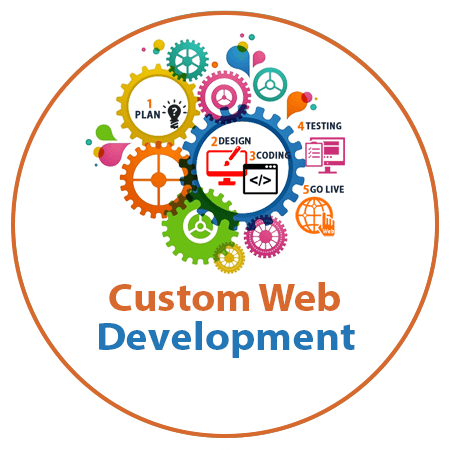
Our custom web development services begin with understanding those requirements and agreeing what belongs in the first version. A smaller, clearly defined release is easier to review than an expanding list of unrelated features. The MDN accessibility guide provides useful interface principles. Compare CMS and ecommerce platforms when an existing platform may meet the need, and discuss ongoing support as part of the project. Ownership, documentation, testing and handover should be included in the planning conversation.
Custom web development: test the difficult path too
Write down what happens when a payment fails, an integration stops responding or a user needs to correct submitted information. These situations are part of the product, not an extra detail to leave until launch. The first version should handle the important exceptions as well as the ideal journey.
With custom web development, access and ownership also need clear answers. Identify who controls the repository, hosting, database and third-party accounts, and who can approve a release. Our ownership and project FAQs are a useful starting point for that discussion. If the requirement is mainly a marketing site or product catalogue, compare WordPress and Shopify before paying for functionality an established platform already provides.